
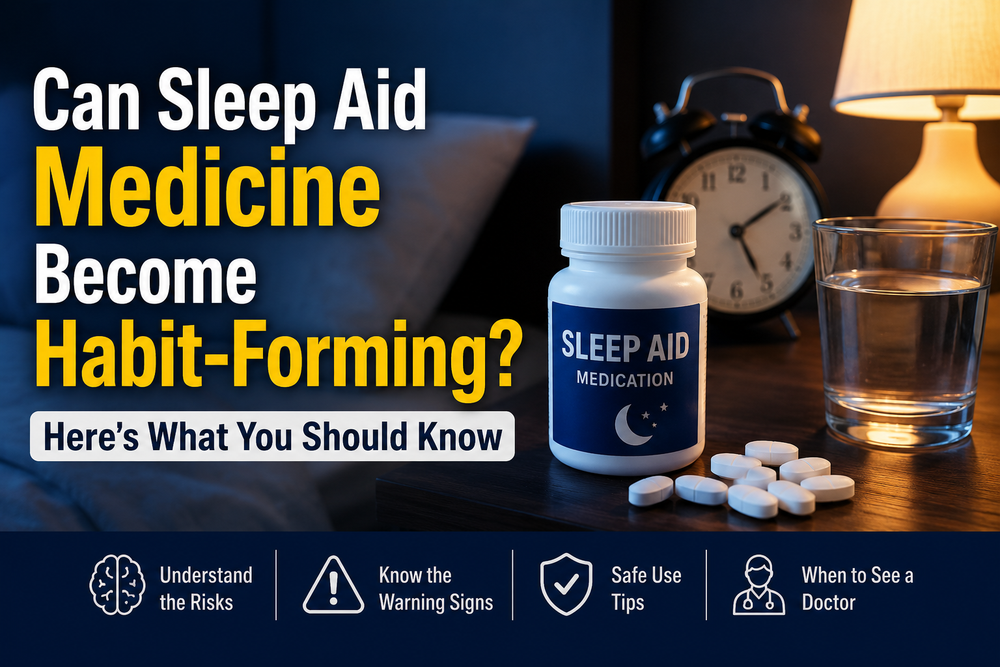
If you’ve ever been lying there, staring at the ceiling, and just couldn’t get your brain to shut off, you’re not alone. Lots of people deal with the occasional rough night or even ongoing insomnia, and it can spill over into the next day in a big way. When sleep trouble turns into something you can’t really ignore anymore, many people start thinking about sleep aid medicines so they can finally rest. But before anyone jumps in, there’s this persistent question: can sleep aid medicine turn habit forming? And yeah, the short answer is: it can. Some sleep medications, especially certain prescription options, have a real risk of becoming habit-forming. Still, not all sleep aids are the same, and the level of risk can vary a lot. If you understand how the meds work, when they’re meant to be used, and how to take them responsibly, you’ll be in a better spot to make choices for your sleep health. In this article, we’ll walk through the main types of sleep aid medicines, dependence risk, safer ways to use them, and the moments when it’s time to check in with a medical professional.
Understanding Sleep Aid Medicines
Sleep aid pills are made to support people who have trouble falling asleep, staying asleep, or getting sleep that actually feels restorative. They might be suggested for short term insomnia, temporary sleep disruptions from stress or travel, or for certain medical situations that mess with normal sleep cycles.
Most sleep aids generally fit into two categories:
- Prescription sleep medicine, which usually means a health professional evaluates you first and then guides the plan.
- OTC sleep aid medicine (over-the-counter), which you can buy without a prescription in many areas.
Each category works a little differently. The best option depends on what you’re dealing with—like your exact sleep symptoms, your overall health, and the underlying reason sleep is being disrupted.
Can Sleep Aid Medicine Really Become Habit-Forming?
A big concern with sleep medication is whether your body, or your mind, starts leaning on it. Mostly it depends on the specific medicine you take. Some prescription sleep medicine can lead to dependence, especially if it’s used regularly over long stretches, or if it’s taken in a way that doesn’t match the instructions. In those cases, the body can start expecting the medication to help you sleep, so natural sleep feels harder without it. Meanwhile, many OTC sleep aid medicine products tend to carry a lower dependence risk. But that doesn’t mean they’re meant for constant, endless use without checking in. Healthcare providers typically recommend sleep medicines for the shortest window possible, while also addressing the root cause of the sleep issue.
Why Do Some Sleep Medicines Become Habit-Forming?
People sometimes notice things like this:
- The medicine doesn’t seem to work as well over time.
- They’re needing bigger amounts to feel the same result.
- They feel anxious about sleeping unless they take it first.
- Sleep becomes harder when the medicine is stopped abruptly.
That’s why it matters to follow directions closely, and only use sleep medication like Zolpidem 10mg exactly as advised by a healthcare professional.
Signs You May Be Becoming Dependent on Sleep Medicine
Most people who use sleep medication responsibly never develop dependence. But it still helps to spot warning signs early, before things quietly drift.
Some common signs include:
- Feeling like you can’t sleep without the medicine
- Taking more than the prescribed dose, even “just this once”
- Using the medicine longer than what was recommended
- Spending time thinking about the medication before bedtime
- Experiencing rebound insomnia after stopping
- Feeling the urge to keep taking it even after sleep starts looking better
If you notice any of the above, it’s better to speak with your healthcare provider rather than stopping on your own.
How to Reduce the Risk of Dependence
The good part is, sleep medicines like Ambien 10 mg can often be used safely when they’re taken properly. Here are a few practical ways to lower the odds of dependence:
- Follow Medical Instructions: Take the medication exactly as prescribed. Don’t increase the dose or change the schedule without professional guidance
- Use It for the Shortest Time Needed: A lot of sleep medicines are meant for temporary help while lifestyle changes , or treatment for the main issue, start doing what they’re supposed to do Don’t Mix with Alcohol: Combining sleep medication with alcohol or other sedatives can raise the chance of dangerous side effects, so don’t do that
- Attend Follow-Up Appointments: Regular check-ins help your provider track progress and adjust the plan when needed
- Prioritize Healthy Sleep Habits: Medication often works best when it’s paired with routine changes that naturally support better sleep
Final Thoughts
Sleep aid medicines can offer real short-term relief for people wrestling with insomnia, but they aren’t supposed to replace healthy sleep habits, and they’re not a substitute for ongoing medical care when it’s needed. Some prescription sleep medicine products may become habit-forming if they’re misused, or if they’re used for longer than intended. Still, many people use them safely when they’re guided by professionals. The main thing is: know what you’re taking, follow medical advice, and focus on the underlying cause behind your sleep problems. If you’re thinking about starting or stopping any sleep medicine, it’s smart to talk with a qualified healthcare professional first. For healthcare information and pharmacy services, dreamlandpharmacy.com provides resources and products meant to support your wellness journey.
Frequently Asked Questions
1. Do all sleep aid medicines become a habit, for real?
No, not exactly. Some prescription sleep medicines have a higher risk of dependence, but many over-the-counter (OTC) sleep aids have a smaller risk, IF you use them the right way.
2. How long can I take prescription sleep medicine without issues?
It kind of depends on the medicine itself, and what is happening with you. The “safe” duration isn’t identical for everyone so it’s best to follow what your healthcare provider says.
3. Is OTC sleep aid medicine safe if I use it every day?
Most OTC choices are intended for short-term use. If you feel like you’re needing them regularly, not only now and then, you should really check in with a healthcare professional.
4. Then what’s the best sleep aid medicine?
There isn’t one single best answer. The better option depends on your medical history, your symptoms, and the underlying reason the sleep problem is happening.
5. How do I know if I’m getting dependent on sleep medicine?
Watch for things like needing bigger doses, feeling like you can’t sleep without it, and then rebound insomnia after you stop taking it.
6. Can lifestyle changes help, even if I’m not using medication?
Yes, definitely. A consistent sleep rhythm, less caffeine hours later in the day, regular daily movement, and reducing screen time right before bed can really sharpen sleep quality.
7. Is it safe to stop sleep medicine all at once?
Some prescription sleep medicines should not be stopped abruptly. Before you do anything, talk to your healthcare provider first, so you don’t get unpleasant effects.
8. When should I contact someone for insomnia help?
If the insomnia keeps dragging on for several weeks, starts interfering with your day-to-day life, or doesn’t get better even after you try a treatment approach, then it’s a good time to consult a healthcare professional.