
Difference Between Molly and Ecstasy: What You Need to Know
People often use the words "Molly" and "ecstasy" to mean the same thing, but they don't always mean the same thing. MDMA (3,4-methylenedioxymethamphetamine) is a synthetic psychoactive drug that has become popular in clubs, raves, and festivals. However, people sell, use, and think about these drugs in very different ways. It's important to know these differences, not just for safety but also for clarity.
What is MDMA?
Molly and ecstasy are both made from the chemical MDMA. It makes people feel euphoric, heightens their senses, and brings them closer to others. The U.S. Drug Enforcement Administration put MDMA in Schedule I in 1985, which means it is very likely to be abused and has no accepted medical use.
What is ecstasy?
-
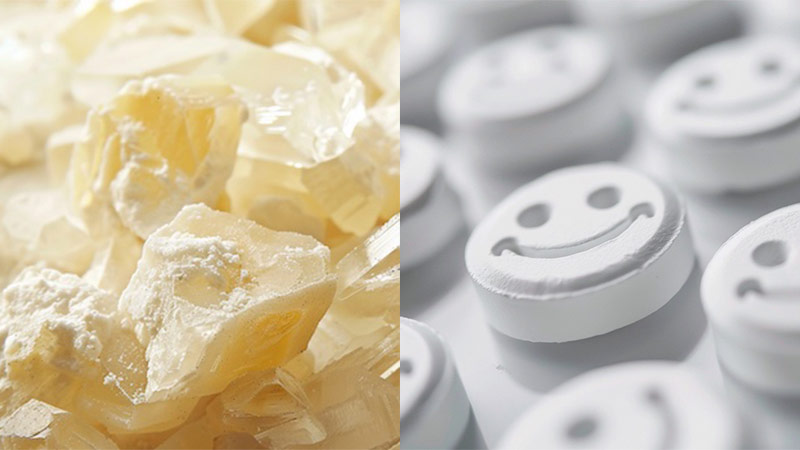
Form: Typically sold as colorful tablets or pills, liquid ecstasy.
-
Purity: Often mixed with other substances such as amphetamines, caffeine, or synthetic chemicals.
-
Risks: Because ecstasy is rarely pure MDMA, users face unpredictable effects and a higher risk of harmful adulterants.
-
Reputation: Considered less clean compared to Molly but widely available in nightlife settings.
What is Molly?
-
Form: Marketed as crystalline powder or capsules.
-
Purity: Promoted as “pure MDMA,” but in reality, Molly is often adulterated with other stimulants or synthetic drugs.
-
Popularity: Associated with festivals and concerts, where it’s perceived as safer but this perception is misleading
Key Differences Between Ecstasy vs Molly
| Aspect | Ecstasy (Tablets) | Molly (Powder/Capsules) |
|---|---|---|
| Form | Pill/tablet | Powder/capsule |
| Purity | Often mixed | Marketed as pure, but often adulterated |
| Perception | Riskier, “dirty” | Cleaner, “safer” image |
| Use | Clubs, parties | Festivals, concerts |
Short- and Long-Term Effects
Short-term effects:
-
Euphoria, energy boost, sensory enhancement.
-
Risks: dehydration, overheating, anxiety and ADHD.
Long-term effects:
-
Memory problems, depression, and sleep disturbances.
-
Potential psychological dependence and withdrawal symptoms (fatigue, irritability, low mood)
Risks of Adulteration
Both ecstasy and MDMA are frequently adulterated, meaning users cannot be sure what they’re consuming. Pills may contain methamphetamine or synthetic cathinones (“bath salts”), while powders may be cut with caffeine or other stimulants. This unpredictability makes both substances dangerous.
Why Adulteration Happens
-
Profit motive: Dealers often mix MDMA with cheaper stimulants to stretch supply and increase profits.
-
Appearance: Pills and powders can be pressed or colored to look more appealing, masking what’s inside.
-
Market demand: “Pure Molly” is marketed as safer, but in reality, purity is rarely guaranteed.
Common Adulterants Found
-
Amphetamines: Increase stimulation but also raise heart rate and blood pressure.
-
Synthetic cathinones (“bath salts”): Can cause paranoia, aggression, and severe health risks.
-
Caffeine: Added to mimic stimulant effects but can worsen dehydration and anxiety.
-
Other unknown chemicals: Some batches have been found to contain opioids or toxic fillers, making them especially dangerous.
Health Risks of Adulteration
-
Unpredictable effects: Users may experience extreme highs, crashes, or medical emergencies.
-
Overdose risk: Mixing MDMA with other stimulants increases the chance of seizures, heart problems, or heatstroke.
-
Long-term damage: Adulterants can cause lasting harm to the brain, liver, and cardiovascular system.
-
Psychological impact: Anxiety, paranoia, and depression are more likely when substances are mixed.
The Illusion of Purity
Even when marketed as “Molly” (supposedly pure MDMA), lab testing with an mdma test kit often shows contamination. Studies have found that a majority of seized Molly samples contain little or no actual MDMA, proving that users cannot rely on appearance or branding to judge safety.
Addiction & Treatment
While the drug Molly is not considered physically addictive, it can lead to psychological dependence. Withdrawal symptoms include fatigue, depression, and irritability. Treatment often involves therapy, support groups, and medical supervision.
Frequently Asked Questions (FAQ)
1. Are Molly and Ecstasy the same thing?
Not exactly. Both are linked to MDMA, but ecstasy usually comes in pill form and is often mixed with other substances, while Molly is marketed as pure MDMA in powder or capsule form. In reality, both are frequently adulterated.
2. Which is safer: Molly or ecstasy?
Neither is safe. While Molly is marketed as “purer,” studies show it is often contaminated with other stimulants or synthetic drugs. Ecstasy pills are also commonly mixed with harmful additives. Both carry unpredictable risks.
3. How long does mdma last?
The effects of MDMA usually last 3 to 6 hours, though some after-effects can linger for up to 24 hours
4. How long does mdma stay in your system?
MDMA typically stays in your system for 1–3 days in blood and saliva, up to 5 days in urine, and up to 90 days in hair tests.
5. How long does ecstasy last?
The effects of Ecstasy (MDMA) usually last 3 to 6 hours, though some after-effects can linger for up to 24 hours.
6. How long does ecstasy stay in your system?
Ecstasy (MDMA) can typically be detected in the body for 1–3 days in blood and saliva, up to 5 days in urine, and several months in hair tests.
7. MDMA vs Molly: Any difference?
MDMA is the actual chemical compound (3,4-methylenedioxymethamphetamine) that produces stimulant and hallucinogenic effects. Molly is the street name for MDMA in powder or capsule form, often marketed as pure MDMA.