
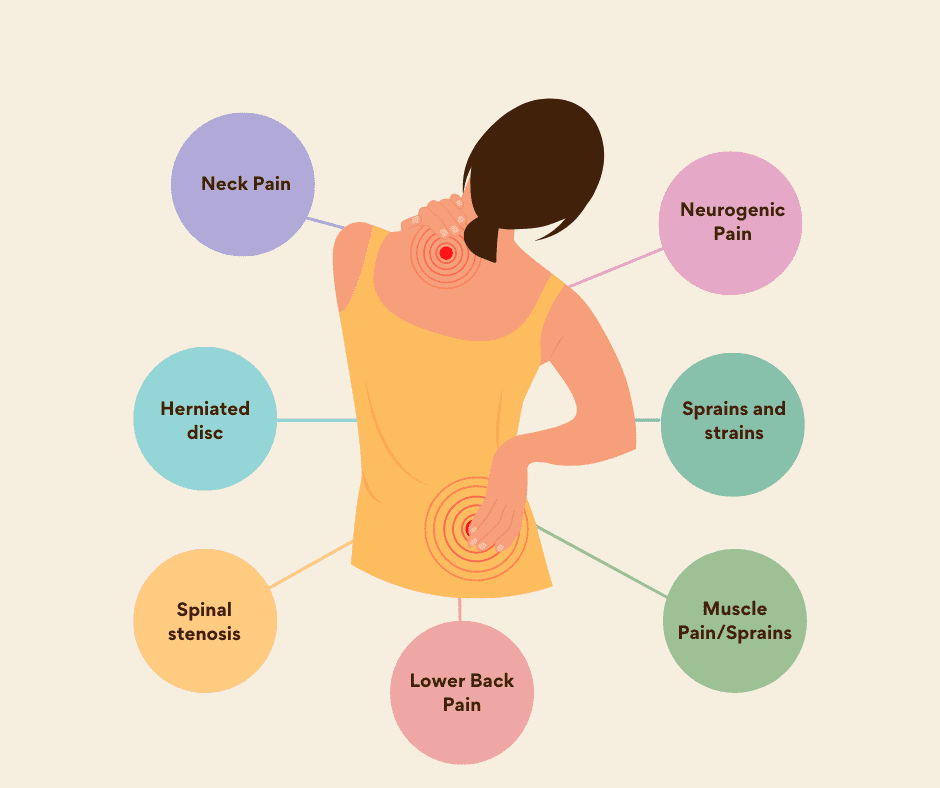
Chronic Pain Symptoms
Any pain lasting longer than 3 to 6 months is chronic pain, which causes both physical and emotional symptoms that extend far beyond the original injury or illness. Chronic pain is more than just discomfort that lingers. Millions of people worldwide live with chronic pain, even after the original injury or condition has healed, and understanding chronic pain symptoms is the first step toward effective management.
What Is Chronic Pain?
Chronic pain is pain that lasts longer than three months, and it often lasts longer than the time it should take to heal. Chronic pain can last even after the cause has been fixed, unlike acute pain, which means that you are hurt or sick. The CDC says that 1 in 5 adults in the U.S. has it.
Some common causes are:
- Arthritis and joint degeneration
- Damage to nerves (neuropathy)
- Fibromyalgia
- Injuries to the back
- Conditions that cause the immune system to attack itself
Common Symptoms of Chronic Pain
Patients often experience a wide range of symptoms, including:
- Persistent pain: aching, burning, or shooting sensations.
- Stiffness and reduced mobility: difficulty moving joints or muscles.
- Fatigue and sleep disturbances: pain interfering with rest.
- Emotional effects: anxiety, depression, and irritability.
Symptoms vary from person to person, making professional evaluation essential.
Types of Chronic Pain
There are different types of chronic pain; for instance, you should know the difference between acute and chronic pain. Pain comes in different forms depending on the source, location, and underlying condition. Understanding the types of chronic pain helps patients and providers choose the right treatment strategy.
1. Nociceptive Pain
This type results from tissue damage or inflammation. It’s common in conditions like arthritis, back injuries, or post-surgical recovery. The pain may feel dull, aching, or throbbing.
2. Neuropathic Pain
Caused by nerve damage or dysfunction, this pain often feels sharp, burning, or electric. It’s seen in diabetic neuropathy, sciatica, and shingles. Neuropathic pain can be difficult to treat and may require specialized medications.
3. Central Pain
This pain originates from the central nervous system and is often linked to conditions like fibromyalgia or chronic fatigue syndrome. It’s widespread, persistent, and often accompanied by fatigue or cognitive issues.
4. Psychogenic Pain
Though not caused by physical injury, psychogenic pain is very real. It’s influenced by emotional or psychological factors such as stress, trauma, or depression. This type often overlaps with other pain categories.
5. Mixed Pain
A lot of long-term pain conditions have both nociceptive and neuropathic parts. Cancer pain or complex regional pain syndrome (CRPS), like shoulder pain, for instance, may comprise both tissue and nerve elements.
Acute vs Chronic Pain
When you get hurt or sick, your body naturally reacts with acute pain. It hurts a lot, comes on suddenly, and usually goes away when the problem that caused it heals. Think about a sprained ankle or a cut from surgery.
Chronic pain, on the other hand, lasts longer than three months and may not go away even after the injury has healed. It can happen all the time or only sometimes, and there is often no clear cause.
Chronic Pain Conditions List
Chronic pain can stem from a wide range of medical conditions. Here are some of the most common:
- Fibromyalgia
- Arthritis (osteoarthritis, rheumatoid arthritis)
- Chronic back pain
- Neuropathy (nerve damage)
- Migraines
- Endometriosis
- Temporomandibular joint disorder (TMJ)
- Irritable bowel syndrome (IBS)
These conditions often involve diffuse pain, meaning pain that spreads across multiple areas of the body.
Does Chronic Pain Cause Fatigue?
Yes, chronic pain syndrome and fatigue frequently coexist. Constant pain can make it hard to sleep, make you feel tired, and cause fibromyalgia-related symptoms like nausea, brain fog, and emotional distress. A lot of patients say they wake up feeling tired, even after a full night's sleep.
Managing Chronic Pain: What You Can Do
While chronic pain can’t always be cured, it can be managed. Here are some strategies:
- Medications: NSAIDs, antidepressants, anticonvulsants
- Physical therapy: Improves mobility and reduces stiffness
- Mind-body techniques: Meditation, yoga, and cognitive behavioural therapy
- Lifestyle changes: Anti-inflammatory diet, sleep hygiene, pacing activities
Tracking your symptoms and working with a trusted provider can help you regain control.
When to Seek Medical Help
Seek medical advice if:
- Pain worsens or changes unexpectedly.
- New symptoms appear alongside existing pain.
- Pain interferes with basic daily activities.
A licensed healthcare provider can diagnose underlying causes and recommend the best pain management medications.
Patient Support and Resources
Living with chronic pain can feel isolating, but support is available:
- Support groups: connect with others facing similar challenges.
- Educational resources: learn coping strategies and treatment options.
- Trusted online pharmacies ensure safe, compliant access to prescribed medications.
Chronic pain is complex, but you’re not alone. Whether you're dealing with sore hips and knees, random sharp pains, or fatigue from fibromyalgia, understanding your symptoms is the first step toward relief. If you’re unsure about your pain, don’t wait; speak with a licensed healthcare provider and explore your options.
Frequently Asked Questions
Q: How is chronic pain diagnosed?
A: Through physical exams, imaging, lab tests, and patient history.
Q: What medications help with chronic pain?
A: Options include NSAIDs, antidepressants, anticonvulsants, and topical treatments, always under medical supervision.
Q: Can anxiety cause body pain?
A: Yes, anxiety triggers muscle tension, stress hormones, and heightened sensitivity to pain, which can lead to headaches, backaches, or generalized body discomfort.
Q: What is stage 4 fibromyalgia?
A: Fibromyalgia isn’t officially staged like cancer, but some patient communities describe stage 4 as the most severe level, where widespread pain, fatigue, and cognitive issues significantly limit daily activities.
Q: Is chronic back pain a disability?
A: It can be. If chronic back pain prevents someone from working or performing essential tasks, it may qualify as a disability under medical or legal standards.
Q: Why do I get random sharp pains in random places?
A: Sudden sharp pains can result from nerve irritation, muscle spasms, or even stress. While often harmless, recurring or severe episodes should be evaluated by a healthcare provider.
Q: Can chronic pain cause hypertension?
A: Yes. Persistent pain activates stress responses in the body, which can raise blood pressure over time and contribute to hypertension.
Q: Is chronic pain syndrome a disability?
A: In many cases, yes. Chronic pain syndrome can interfere with mobility, employment, and quality of life, making it eligible for disability recognition depending on severity and documentation.
Q: What is HF10 for chronic pain?
HF10 refers to a high‑frequency spinal cord stimulation therapy. It delivers electrical impulses to the spinal cord to reduce pain signals, offering relief for patients with severe chronic pain who don’t respond well to medications.